Pharmaceutical Industry News
How Commercial Manufacturing Processes in Bioprocessing Works
The step up from the research and development stages of drug development to commercial manufacturing ensures one thing. The public […]
Jun 24th, 2026
How Commercial Manufacturing Processes in Bioprocessing Works
Jun 24th, 2026
The history of bioprocessing is a story of scientific innovation. Back in the mists of time, the fathers of this great science were driven by a desire to take the basest ingredients – such as bacteria and enzymes – and use them to cook up biological end-products to cure a range of ills for the benefit of their fellow man, right? Wrong.
It’s amazing the scientific advances that are made by people with a powerful thirst.
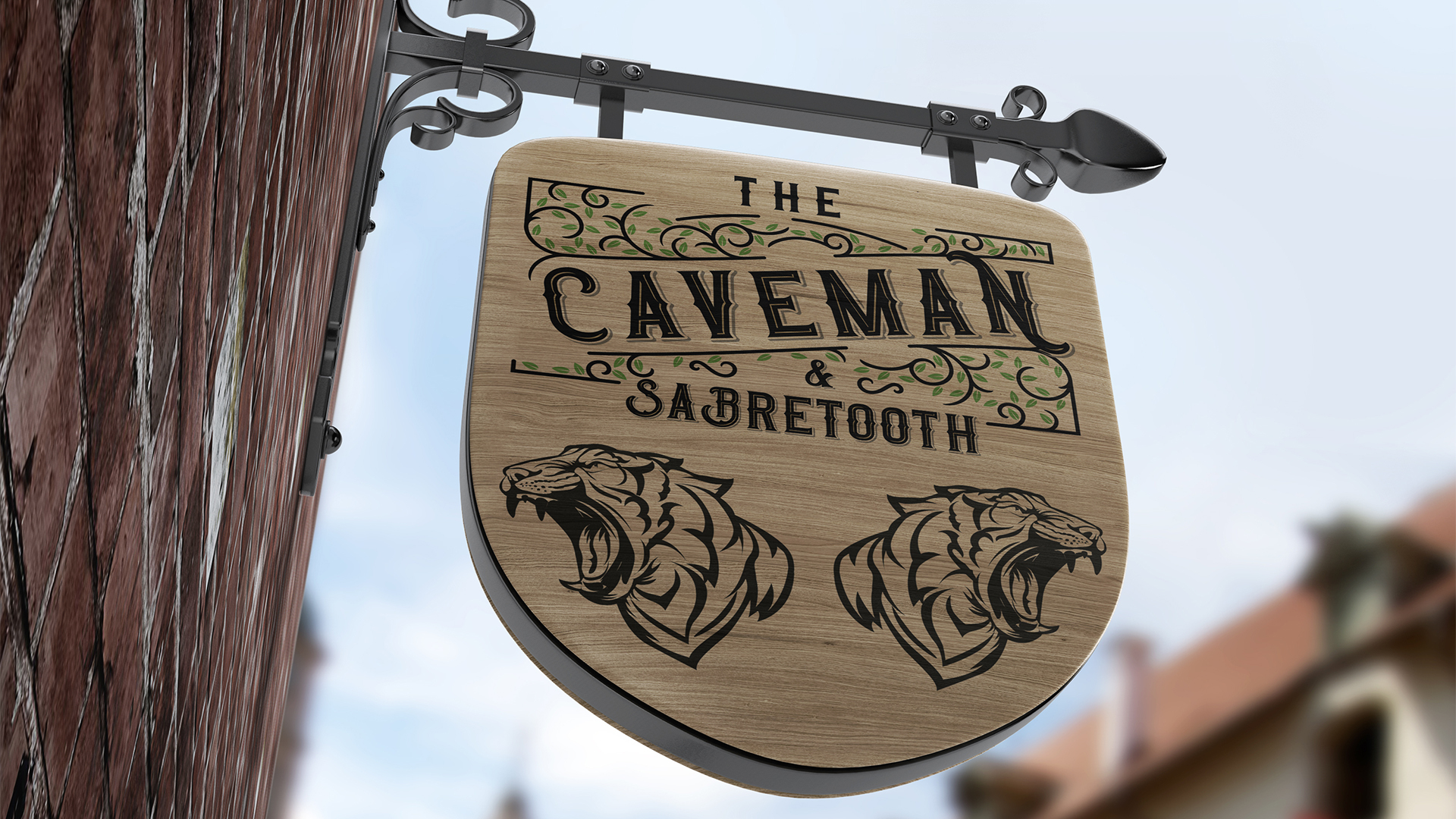
The earliest form of bioprocessing was winemaking, which goes back way before the start of recorded history. Archaeologists have unearthed evidence of fermented fruit drinks going back to the dawn of history, 7,000 BCE. However, the range of libations available at the Neolithic Pub, The Caveman and Sabretooth, was fairly limited – until the Mesopotamians began brewing barley beer around 5,000 BCE.
Of course, some say the wine-makers should put a cork in it; it was really the cheese makers who made history with the first big strides into bioprocessing.
The history of bioprocessing is also a story of happy accidents. Archaeologists believe that cheese-making began as a side-effect of early man storing and transporting milk in bladders made from the stomachs of cows and other cud-chewing animals. These inherently contain rennet, which would eventually cause the milk to curdle.
There is evidence of cheese being consumed as early as 5,000 BCE in various parts of Europe, as well as Central Asia, the Middle East and the Sahara.
The first-known leavened bread dates back to around 1000 BCE, in Egypt. Again, this may have happened by accident as they were mixing water, grain, and yeast to make beer, and got the proportions wrong, which instead produced bread.
So, we now had all the cheese and wine, beer and bread we needed for a good ploughman’s lunch.
As they were sitting in The Caveman and Sabretooth, toasting their success and discussing the history of bioprocessing so far, those canny prehistoric chemists realised that the key ingredient in all these processes was yeast.
The yeast species Saccharomyces Cerevisiae converts carbohydrates to carbon dioxide and alcohol through fermentation.
But, as those slightly sozzled scientists realised, it didn’t just have applications for cheese-making, brewing, and baking, it also had medical significance.
Saccharomyces Cerevisiae is also an important model organism for human cell biology and, as such, has become one of the most widely researched microorganisms – vastly increasing our understanding of the biology of the eukaryotic cell and, therefore, human biology.
As such, by 500 BCE, the Chinese were using soybean curd (tofu) to treat skin infections. This is the first known use of an antibiotic.
As we get into more recent times, we find that the history of bioprocessing is marked by the achievements of a few talented and hard-working scientists who made real leaps in our understanding of the medical applications of this fermentation (bio)process.
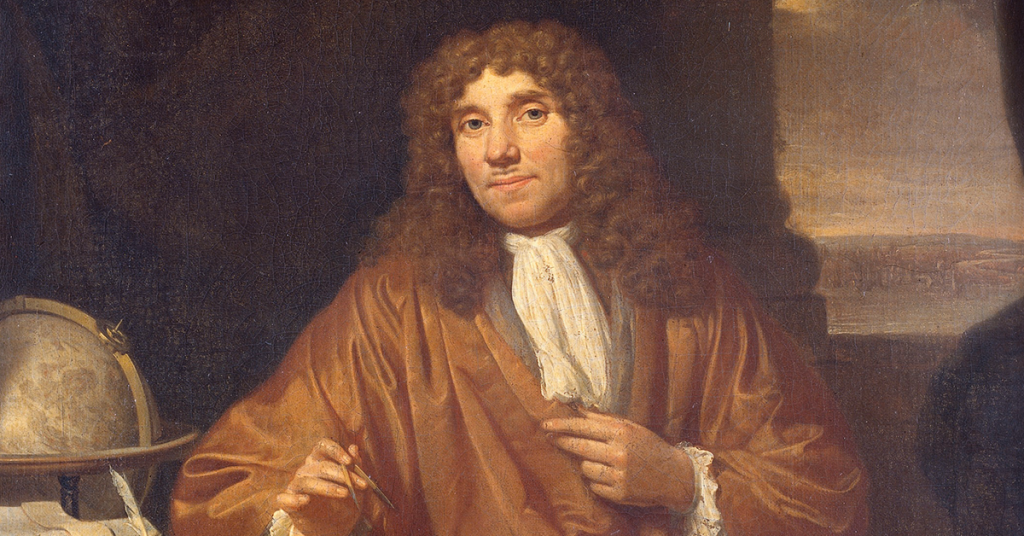
This self-taught Dutch scientist is often referred to as “the Father of Microbiology”; indeed, it is thanks to him that microbiology was recognised as a serious science.
In the 1670s, he became interested in making lenses and built his first microscope. Using this, he discovered the first microscopic life – microbes – which he called ‘animalcules’ (which is Latin for ‘tiny animals’).
He went on to observe and record the existence of bacteria, spermatozoa, and red blood cells.
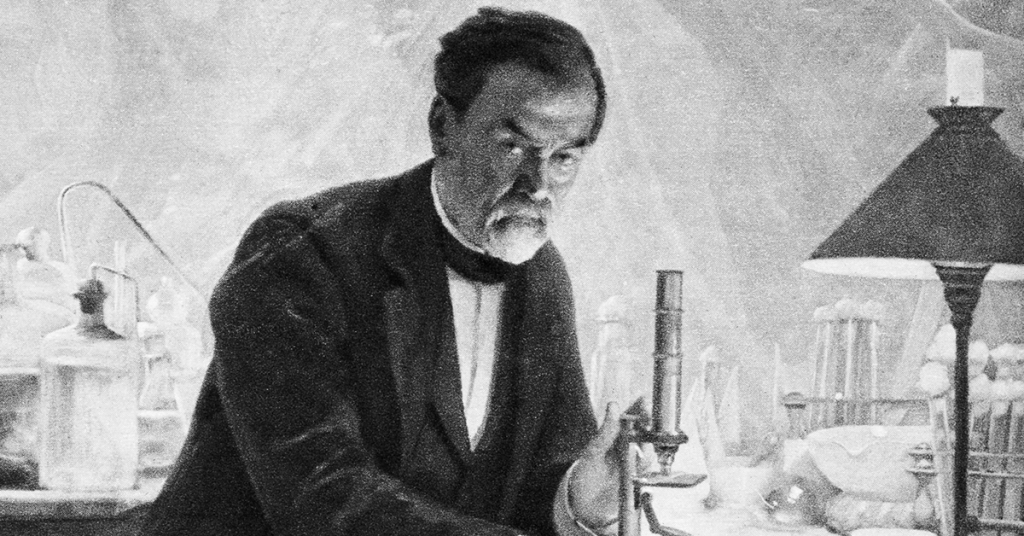
It’s fair to say that the history of bioprocessing would have been a scientific dead-end if not for the breakthroughs of Louis Pasteur. In 1857, he discovered that the yeast so beloved of brewers and bakers since time began is actually a living cell. Twenty years later, he showed that some types of bacteria could be used to kill anthrax cells.
By describing the principles of vaccination, microbial fermentation, and (naturally) pasteurisation, his research led to a widespread understanding of how diseases are caused, how they are spread, and (most crucially) how they can be prevented. This directly laid the foundations of hygiene, public health, and much of modern medicine.
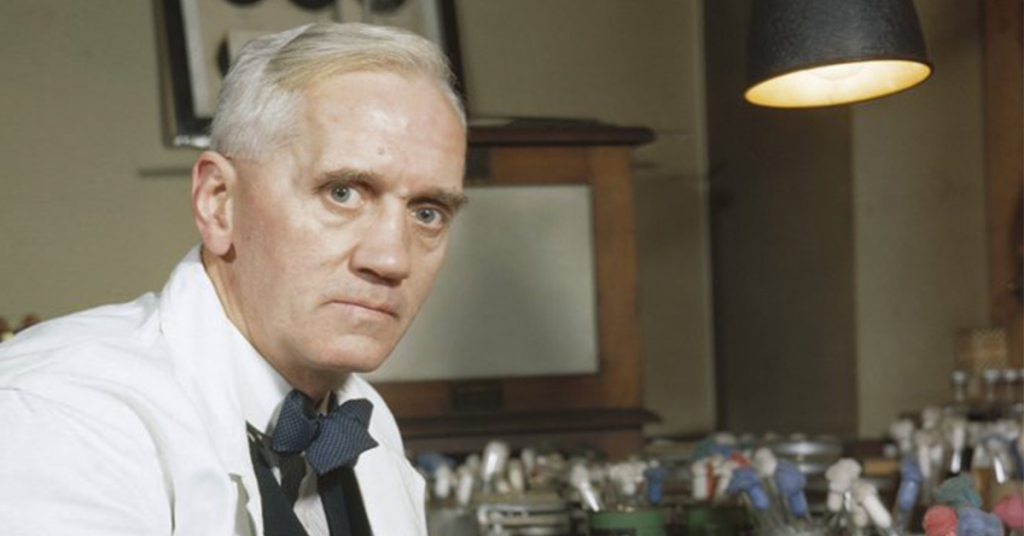
Although antibiotics had been used in a crude fashion for over 2,000 years, they were not understood and could not be employed clinically in a coherent way. That is, until 1928, when a Scottish physician and microbiologist noticed – in a pioneering moment of bioprocessing brilliance – that a mould contaminating a petri dish caused bacterial death.
This extremely fortunate accident – witnessed by the right person at the right moment – led to Sir Alex identifying the world’s first broadly effective antibiotic, which he named penicillin after the mould Penicillium Rubens. That one discovery has been described as the “single greatest victory ever achieved over disease.”
We now enter the modern history of bioprocessing, which began in 1928, when Alexander Fleming accidentally discovered antibiotics. This led him to postulate that the mould was secreting an antibacterial substance, which would become the world’s first broadly effective antibiotic.
He named it Penicillin, which has a catchier ring to it than “Accidentalin”.
This marked the end of the time in the history of bioprocessing when bio-progress was made by accident. From here on in, the search for new antibacterial compounds became deliberate and systematic.
During WW2, the Allied governments put incentives in place to encourage the cost-effective manufacture and mass production of penicillin. Suitably motivated, Ernst Chain, Howard Florey, and Edward Abraham succeeded in purifying the first antibiotic, known as Penicillin G (aka Benzylpenicillin) in 1942.
Purified penicillin worked quickly, effectively, and had low toxicity in humans. For their successful development of Penicillin G, Chain, Florey shared the 1945 Nobel Prize in Medicine with Fleming.
It has been said that the discoveries of these three men combined have saved over 200 million lives!
The mass manufacture of penicillin required the development of new technologies, such as fermenters (aka bioreactors) and the rest of the associated infrastructure – tanks, impellers, pumps, compressors, columns, pipes, and valves. In 1944, De Beeze and Liebmann used the first large-scale bioreactor – 20 litres – for the production of yeast.
The first human cells were successfully cloned at the University of Colorado in 1953. Since then, they have been employed for research into cancer, AIDS, virology, the effects of radiation and toxins, gene-mapping, and more.
Jonas Salk used HeLa cells in 1955 to test the first polio vaccine.
In 1953, Crick and Watson published a joint paper in Nature where they demonstrated the Double Helix structure of DNA. They are often, erroneously, credited with having discovered DNA – but they didn’t, DNA had been identified almost a century before. Their great breakthrough was in establishing the double-helical structure of the DNA molecule.
This resulted in them sharing a 1962 Nobel Prize with Maurice Wilkins.
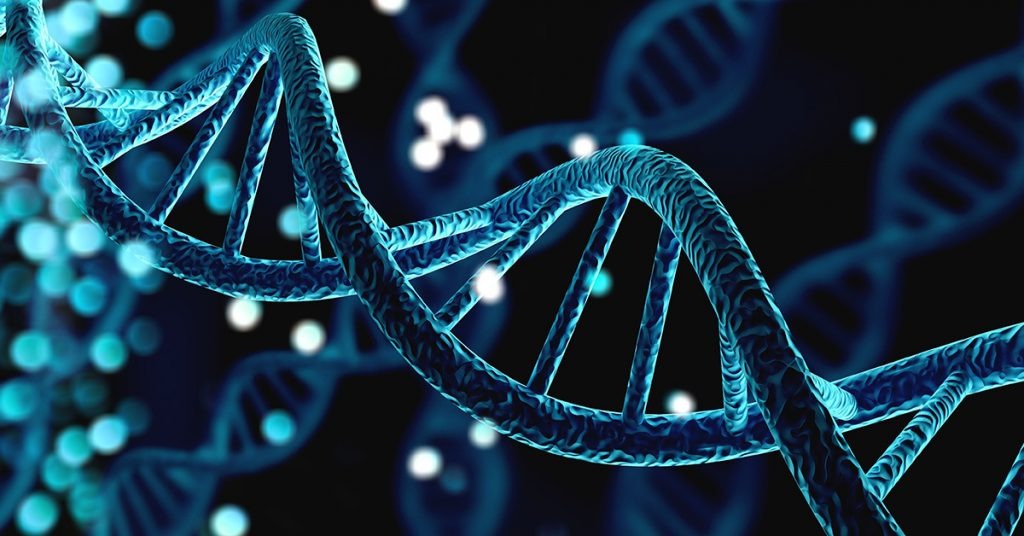
The term ‘Genetic Engineering’ was coined by the science fiction writer, Jack Williamson, in 1951 – shortly before Crick and Watson revealed their double helix. But it was in the 70s that the concept of genetic engineering began to enter the public consciousness.
In 1972, Paul Berg created the first recombinant DNA molecules (and would go on to win the Nobel for his troubles). In 1973, Herbert Boyer and Stanley Cohen successfully created the first transgenic organism by transplanting genes from one living organism to another.
A year later, Rudolf Jaenisch, at MIT, created the first ever transgenic animal – a mouse.
In 1978, the world’s first genetic engineering company – Genentech – announced the production of genetically engineered human insulin. The first commercially available biosynthetic human insulin hit the market in 1982 under the name Humulin.
Bioprocessing at scale was, for the first time, needed to deliver this crucial human insulin to market.
The first single-use bags were used. The benefits of these bags were understood and appreciated immediately. They remove the cost and time needed for cleaning and sterilising reusable primary containers and, at the same time, they reduce the danger of cross-contamination.
The Human Genome Project was launched in 1990.
Then, in 1993, Jurassic Park opened its doors for the first time – with all of those genetically engineered transgenic dinosaurs. They spared no expense. Nevertheless, it’s fair to say it didn’t go well.
The Human Genome Project was completed. It was the world’s largest collaborative biology project. Originally budgeted at $3 billion and expected to take 15 years, the work was undertaken by Geneticists in the US, the UK, France, Australia, and China. Thanks to this collaboration, the project was delivered two years early and about $300 million under budget.
Phill Allen and the team at ALLpaQ developed the first all-plastic secondary bioprocess container. And the rest, as they say, is history!
The original all-plastic ALLpaQ bioprocess containment solution is the now legendary Genesis Shipping Container.
Modern bioprocessing plants are implementing artificial intelligence to continuously monitor and adjust bioprocessing systems in real time.
Tracking variables and making automatic adjustments rather than manual ones is extremely beneficial, resulting in fewer failed batches, consistent product quality, and faster development.
Although a recent development, mRNA is now a vital tool. The pandemic proves its abilities, with the COVID-19 vaccine being the first mRNA product deployed at a mass scale. Contractors such as Pfizer-BioNTech and Moderna used this revolutionary technology to distribute cells at speed for billions of vaccines in a short space of time.
Since its success, mRNA is being researched as a tool for cancer treatments and HIV vaccines.
So, 2019 came and went, and there were no Nexus 6 Replicants in the streets being chased by Blade Runners. Disappointing. But what does the future of bioprocessing hold for us?
Bioprocesses 4.0 is part of ‘Industry 4.0’, which is the trending name for The Fourth Industrial Revolution. This is all about the evolution of the technology used in industry, as manufacturing is transformed by interconnectivity and smart machines.
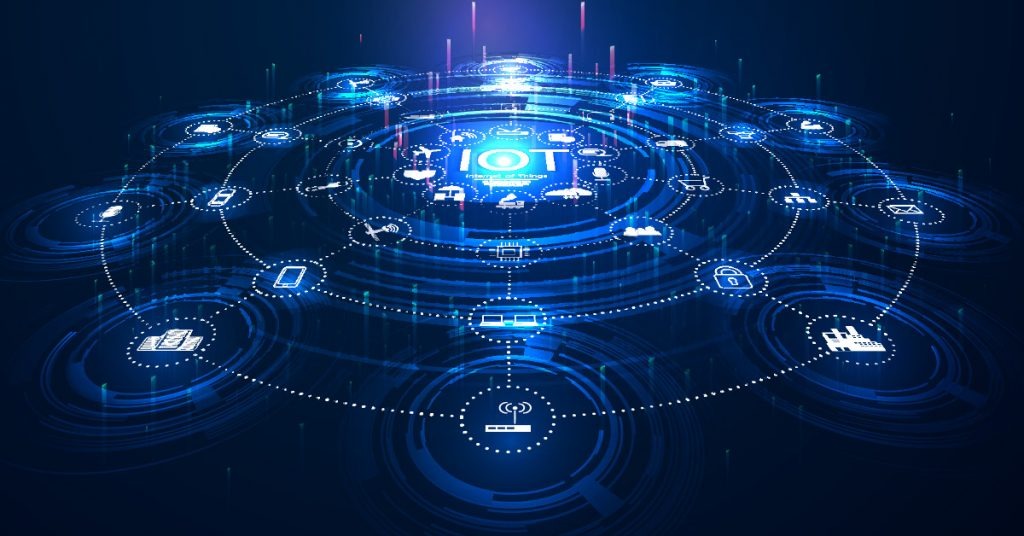
No, sorry, this doesn’t mean self-aware computers and Terminators; this means the use of intelligent automation, robotics, machine learning, big data analytics, and the Internet of Things to help speed up, streamline, and improve the research, design, production, and mass manufacture of pharmaceuticals.
Pharma is also developing on the submicroscopic or nanoscale. Bionanotechnology developments that are going to be coming on-stream in the very near future include stem cells, gene therapy, functional foods, edible vaccines, and biosensors are on the horizon for biotechnology.
For our part, ALLpaQ are proud to be pioneering bespoke plastic bioprocess containers and accessories, which are designed, fabricated, and delivered by us – to our worldwide network of pharmaceutical clients. We’re a small part of this history, and are dedicated to continuing our contribution with better tools and cleaner processes.
If you want to learn more about pharmaceutical industry news, find out more about where bioprocessing is heading next by taking a look at our blog.
Or, if you want to understand the container options available to you, get in touch with us today.