Bioprocess container Company News
Using bioprocess containers for cell analysis
Cell analysis has aided research and drug development within the life science and pharmaceutical sectors for many years. Throughout our […]
Apr 08th, 2026
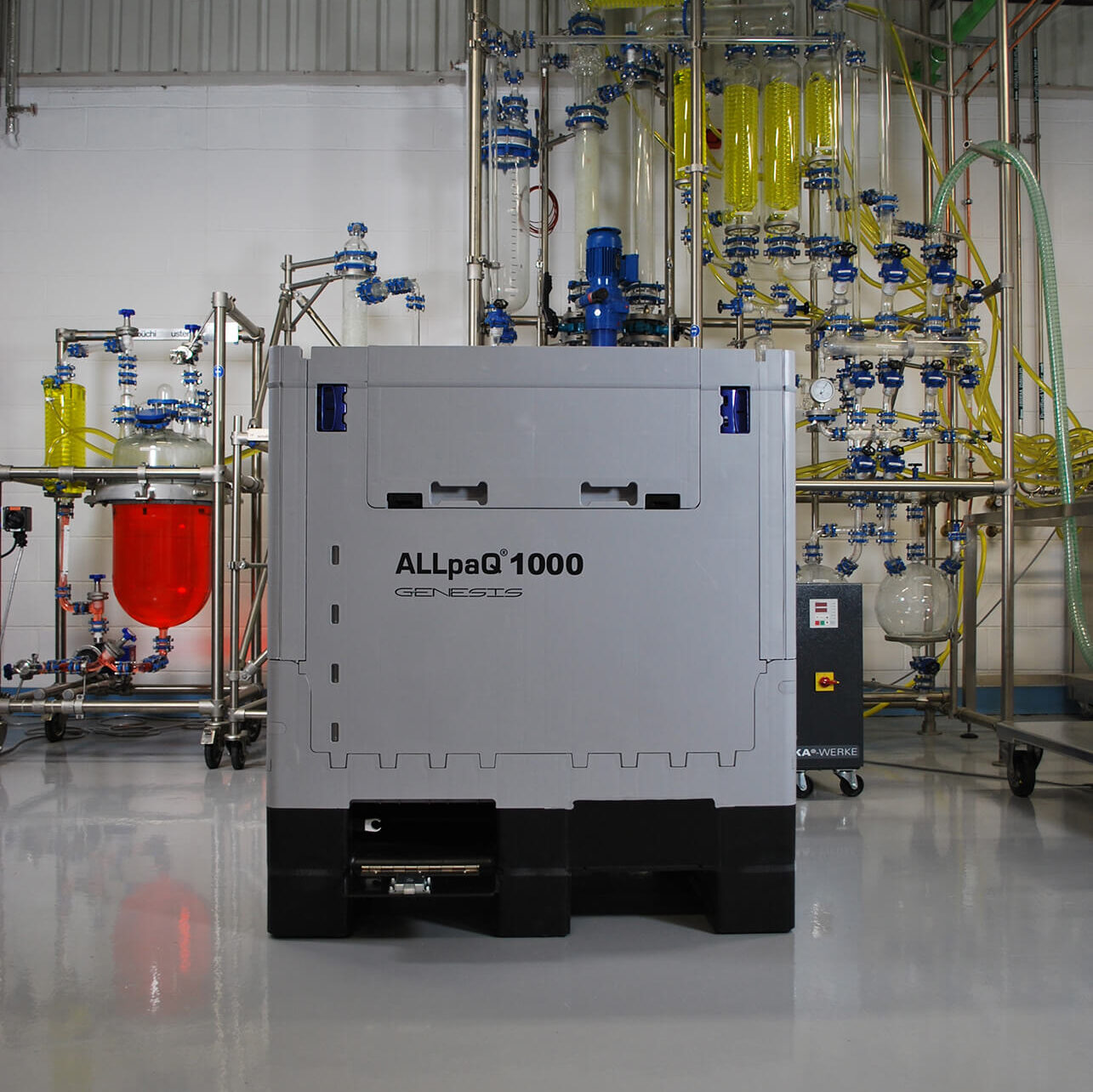
Bioprocessing success is dependent on a lot of controlled variables. Any media must be stored, moved, and protected under conditions that support product quality and contamination control.
Bioprocessing containers are often treated as supporting items around the main process equipment. In practice, they do much more than hold fluid.
They help define how media, buffers, intermediates, and product streams move through the workflow. They also influence how well a process performs under daily operating pressure.
This article will explain the importance of bioprocessing containers, how they affect process outcomes, and what decision-makers should consider when evaluating container options.
Bioprocessing containers are boxes or containment systems used to store, protect, and transfer process fluids and biological materials during biopharmaceutical and pharma operations.
Their most important role is not storage alone. It is controlled handling throughout.
These containers are used for media, buffers, cell culture fluids, harvested material, and final product streams. Because these materials are often sensitive, the container directly affects product integrity and sterility.
That makes container choice a process decision. Not a packaging decision.
The importance of bioprocessing containers comes down to one core issue: they help maintain control across the workflow. Control is what protects quality and supports compliance.
A process can be well-designed on paper and still fail in execution if storage and transfer steps are weak. Containers sit at those critical points. They affect how materials are held between unit operations and how much exposure risk is introduced along the way.
The consequences could be severe. Poor containment can lead to contamination events, product loss, transfer delays, and inconsistency between batches.
Process control refers to the ability to maintain defined conditions and repeatable handling across each step of production. Bioprocessing containers support control by creating a structured way to store and move sensitive materials.
Without the right containment system, fluid handling becomes harder to standardise.
That creates variation in transfer steps, hold times, and environmental exposure. Variation at these points can affect the wider process, even when upstream and downstream systems are well managed.
Containers help make handling more predictable. Predictability supports control.
Operational efficiency refers to how effectively time, labour, materials, and facility resources are used across production.
Biocontainers affect this more than many teams expect.
When a bioprocessing container fits a workflow, handling becomes easier. Storage is clearer, transfer is smoother, and operator intervention is reduced, improving throughput and lowering disruptions.
Efficiency is not just about speed. It is about making the process easier to run well.
An active workflow component shapes how the process runs. Biocontainers meet that definition as they influence control and movement at multiple stages.
They determine how materials are staged and how transfers are managed. They also affect how easily teams can align biocontainer handling with equipment, procedures, and facility constraints.
Operators will interact with containment systems on a day-to-day basis, whether it’s during filling, storage, movement, transfer, or changeover. Many manufacturers are moving away from generic containment solutions and adopting systems designed specifically for bioprocessing applications, such as ALLpaQ bioprocessing containers.
The key question is which containment system can reliably support the process, cleanroom workflow, and long-term operational requirements.
Material compatibility with biocontainers should support the biological material, media, intermediate, or process fluid being handled. Different products require different handling conditions, transfer methods, and hold times.
Bioprocessing containers used in regulated environments should therefore be designed to reduce the risk of contamination while supporting stable storage and controlled movement. ALLpaQ bioprocessing containers are designed specifically for controlled pharmaceutical and life science environments.
Sterile handling requirements define the level of contamination control needed during transfer, storage, and process interaction.
If the containment method does not align with sterile-handling requirements, risk increases immediately. This is where purpose-built containment systems become important.
ALLpaQ bioprocessing containers are designed to support workflows requiring controlled handling, cleanroom compatibility, and consistent operational performance.
Workflow integration refers to how effectively the container fits within existing equipment. Poor fit can increase handling time, waste unnecessary time, or complicate cleanroom procedures.
ALLpaQ bioprocessing containers are always developed with your process integration in mind. Our bespoke designs improve material-handling efficiency and can help reduce workflow interruptions associated with unsuitable containment systems.
Containment systems must work within facility environments. It is important to consider space restrictions, transfer bottlenecks, and existing multi-stage workflows.
ALLpaQ cleanroom systems have all been designed for controlled manufacturing environments and can support facilities seeking a more consistent, scalable approach to material handling across production and development areas.
Bioprocessing operations rarely remain static. Container strategies should support immediate production needs while remaining suitable for future scale-up, process expansion, or facility development.
ALLpaQ bioprocessing containers are intended to support scalable workflows from process development through larger operational requirements. This helps teams maintain greater consistency as programmes evolve.
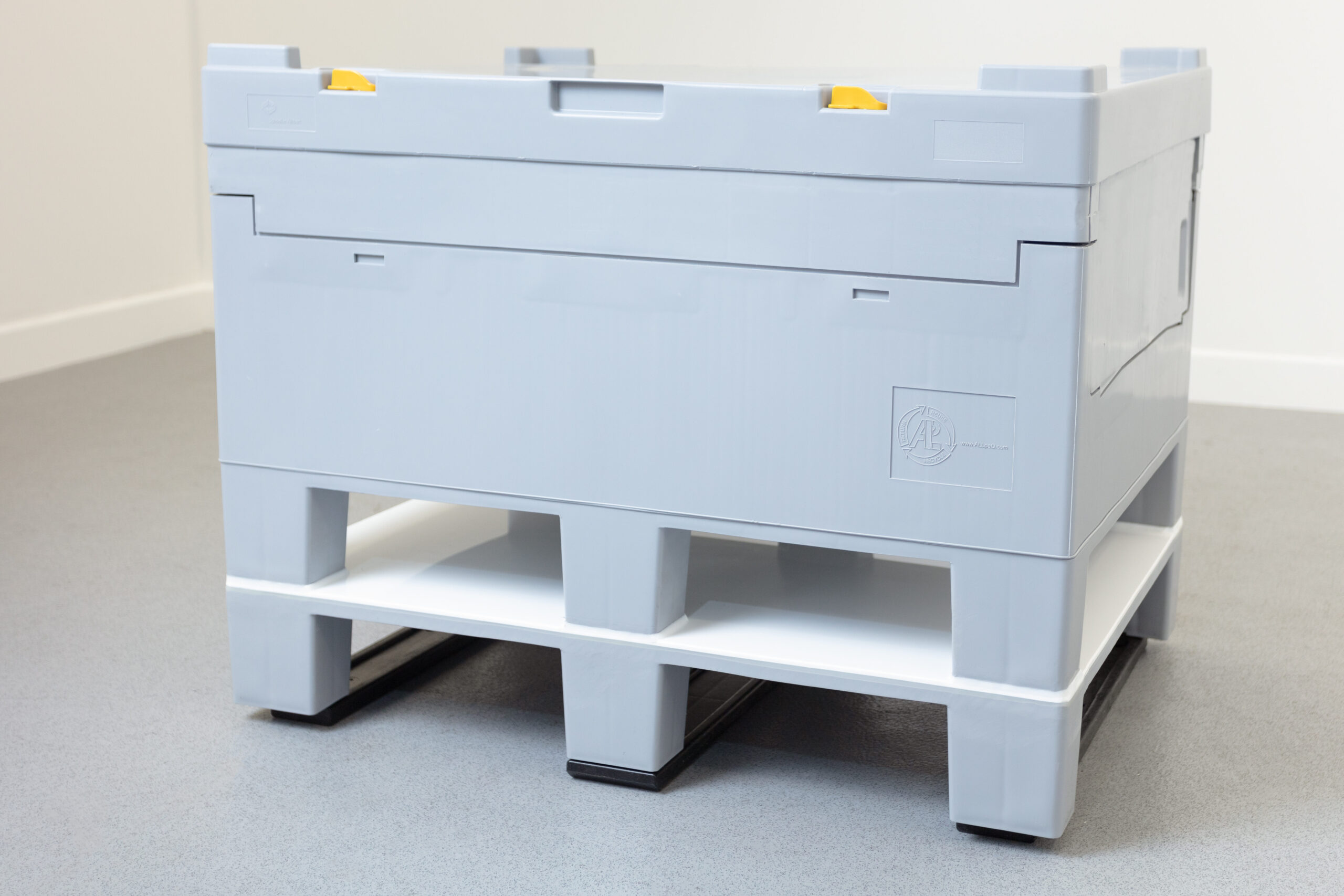
The importance of bioprocessing containers extends beyond basic storage and transport. In practice, containment systems influence:
For teams, the right containment solution helps support controlled processing conditions and more reliable material handling.
Biocontainers are active process components, not passive storage items. Their performance influences contamination prevention, workflow execution, process consistency, and long-term operational efficiency.
ALLpaQ bioprocessing containers are important because they are designed specifically for controlled pharmaceutical and life science environments, with emphasis on process integration, cleanroom suitability, scalable handling strategies, and operational reliability.
Want to discover our services? If you’re looking for a B Corp-certified solution for fluid management systems, contact the ALLpaQ team today to learn more.