Bioprocess container Company News
Using bioprocess containers for cell analysis
Cell analysis has aided research and drug development within the life science and pharmaceutical sectors for many years. Throughout our […]
Apr 08th, 2026
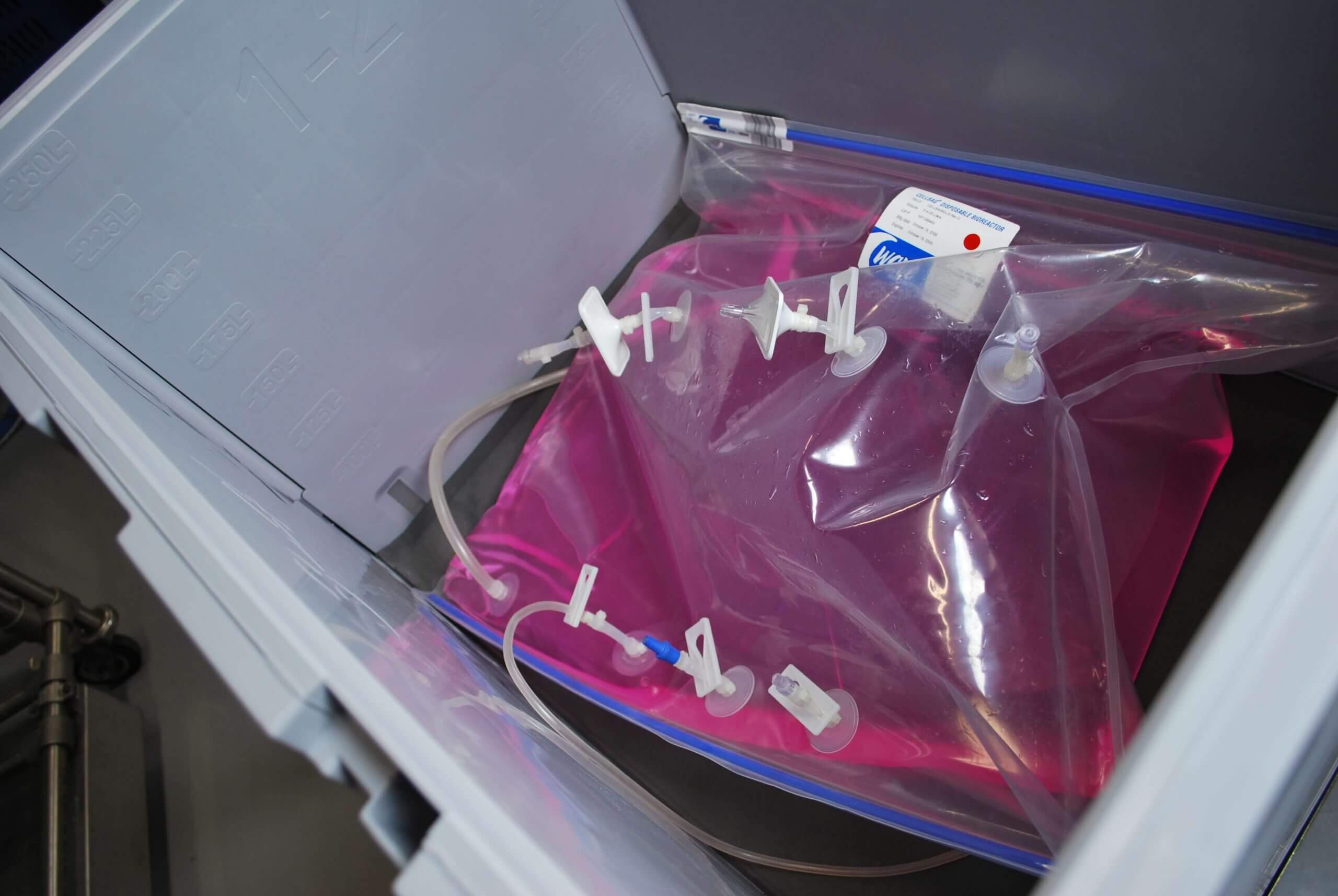
Single-use bioprocess bags play a significant role in bioprocesses across various sectors, from pharmaceutical and bioscience to biofuel and chemicals.
They’re available in many sizes and their uses are varied, but what are they, and why choose single-use bioprocess bags?
Keep reading to find out more from the ALLpaQ team.
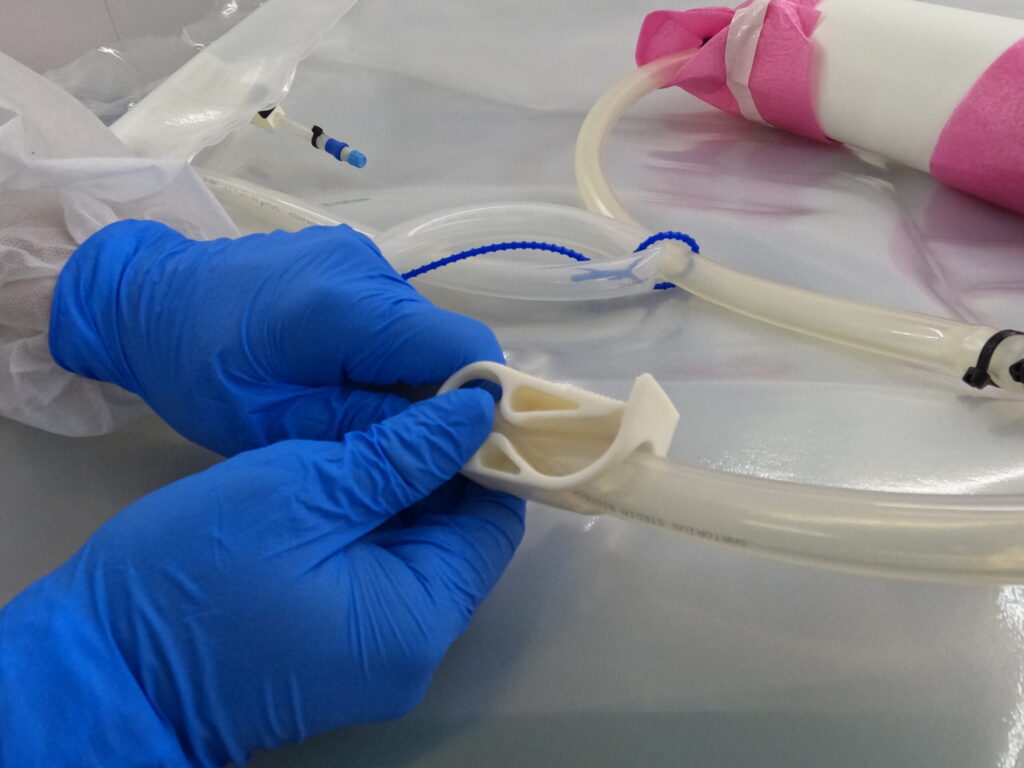
Single-use bioprocess bags are flexible poly solutions designed to store, dispense and often mix fluids in bioprocessing.
As the name suggests, these bags are almost always used once depending on the process they’re being used for, then responsibly recycled or incinerated. Using single use bags ensures liquids are contained in a thoroughly sterile environment, safe from contamination, helping to establish safe and effective medicines, biochemicals, or foods and make product analysis as accurate as possible.
They’re also faster to set up as they don’t need to be cleaned and sterilised, enhancing manufacturing operations efficiencies and speeding up internal processes.
Alternatives, such as stainless steel rigid containers without single-use bioprocess bags, can contribute to expensive and time consuming cleaning processes and downtime. Discarded fluid cannot go directly into normal water drainage systems without treatment, which can lead to huge amounts of water wastage additional costs and leave a negative impact on the environment.
Industries that utilise bioprocessing processes typically use these bags throughout the bioprocessing workflow, from the upstream to the downstream stage.
In upstream bioprocessing, bioprocess bags are employed for various liquid-handling purposes:
Throughout downstream processing, the flexible bags are used to collect intermediate products and filtrates during the clarification/separation, cell disruption, concentration, and purification stages. During the latter, they can even house chromatography feeds, if required.
Plus, drug substances formulated at the end of the bioprocess can also be stored within these single-use technologies.
To put it simply, a bioprocess container is a rigid outer packaging unit, or tote, designed to house bioprocess 3D bags and protect them during cleanroom storage or transit across or between facilities.
Bioprocess containers are designed to be cleaned and reused again and again, and if handled correctly will last many years.
Typically, bioprocess containers feature bag ports to assist with draining applications and wheels or forklift channels for easy movement around research or storage facilities, like warehouses.
Here at ALLpaQ, we’re proud of our BCorp status, demonstrating our transparency, accountability, performance, and commitment to sustainability.
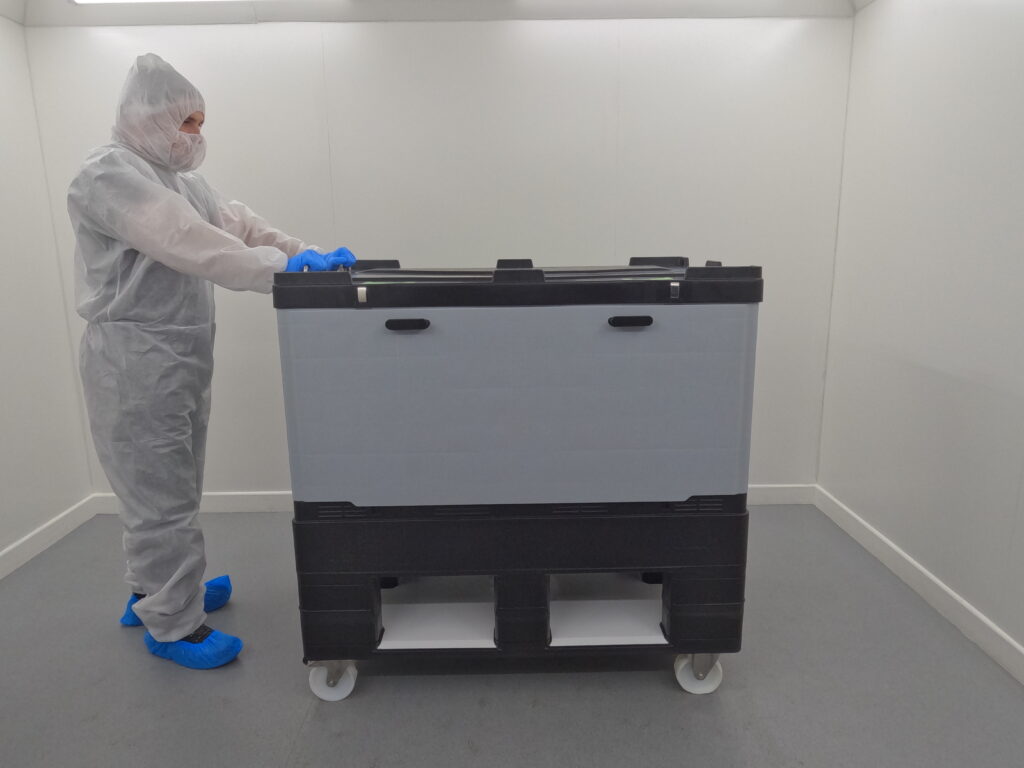
While almost all bioprocessing bags are recycled or incinerated after one use, depending on the process, to prevent cross-contamination, inaccurate findings, and unsafe products, bioprocess containers, or ‘totes’ are not single-use.
These container systems are secondary packaging, meaning they shouldn’t come into direct contact with the bioprocessing fluids stored in the primary packaging bags.
These containers are designed to support single-use bioprocessing bags within a cleanroom environment, providing a stable external housing for fluid handling processes. They’re modified for cleanroom compatibility, easy-to-clean, and foldable for space-saving storage. They also feature drainage ports that can be customised to match a client’s individual specifications.
So, while they still need to be cleaned and sterilised between uses, they don’t need to be thrown away after use. What’s more, container doors, handles, and accessories can be replaced in the event of breakage, making a more positive environmental impact than reordering the entire container.
The 2D and 3D bioprocess bags we supply are incredibly durable and deliver exceptional performance, ensuring the validity of your research and the quality of your final products. The material typically used is Renolit 9101, and can be supplied with the relevant data sheets.
Each offers exceptional chemical and bio-compatibility and impressive strength resistance, helping to keep your liquids contained to reduce the chances of leaks and biohazards in the workplace.
Moreover, there are multiple sizes to select from, from 10 to 100L 2D pillow bags to 100 to 1000L 3D bags – making them suitable for a range of applications.
What’s more, our comprehensive services mean that our entire in-house design and manufacturing team have the ability to customise bags to customer specifications to provide personalised solutions to your needs.
Need more information about any of our bioprocessing products?
You can speak to our experienced team today for product guidance and placing orders. We’re always happy to assist and support you in any way possible.
You can simply email us at enquiries@allpaq.com and we’ll get back to you ASAP.