Tubing is an essential component of any bioprocess application and helps to transfer fluids throughout the upstream and downstream stages.
But, given that bioprocessing differs across industries depending on the intended product, it can be confusing working out which tubing is right for you.
Within this blog, we explore TPE tubing, how to choose the right tubes and how bioprocess containers can further support your operations.
What is TPE tubing?
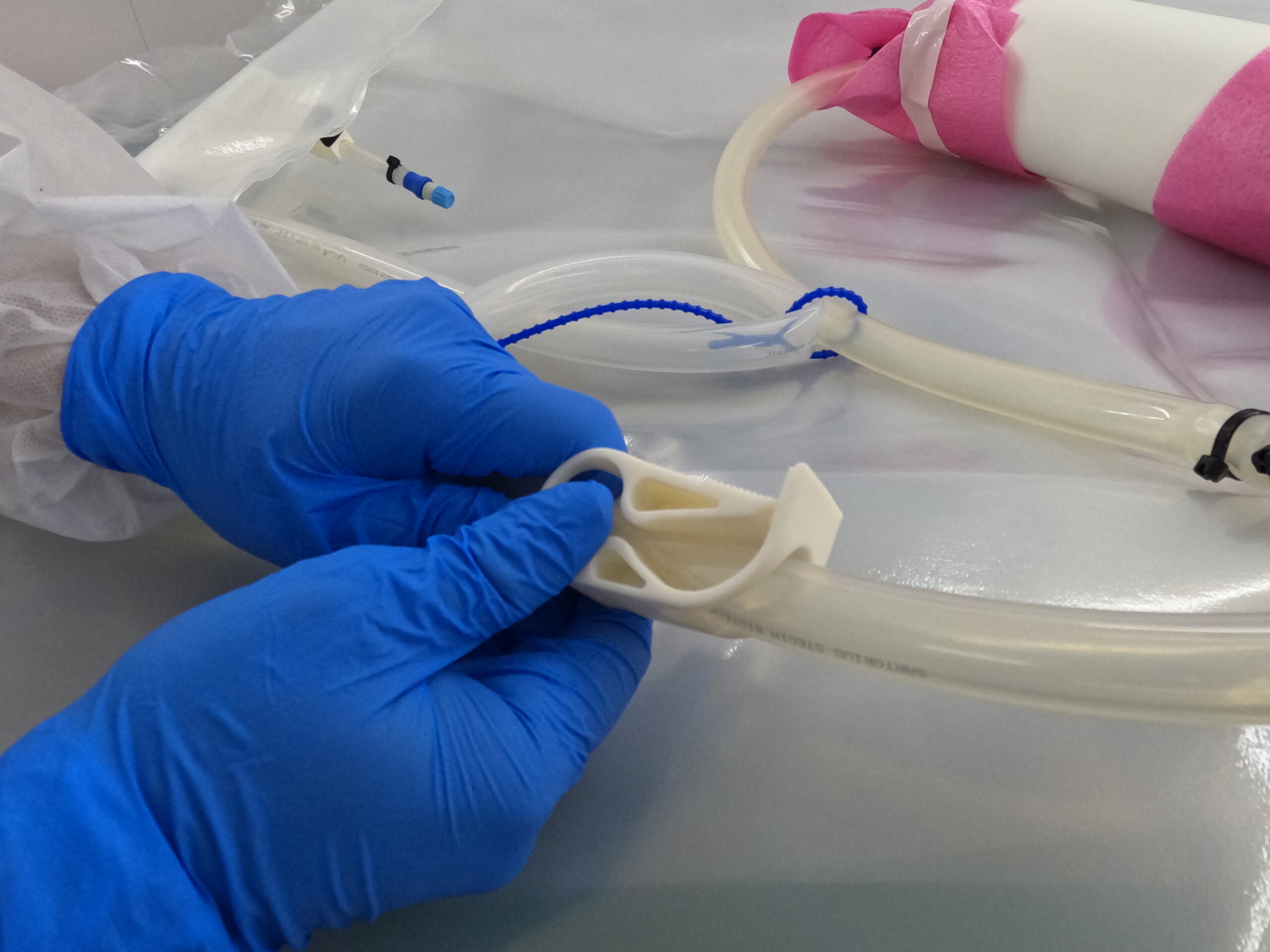
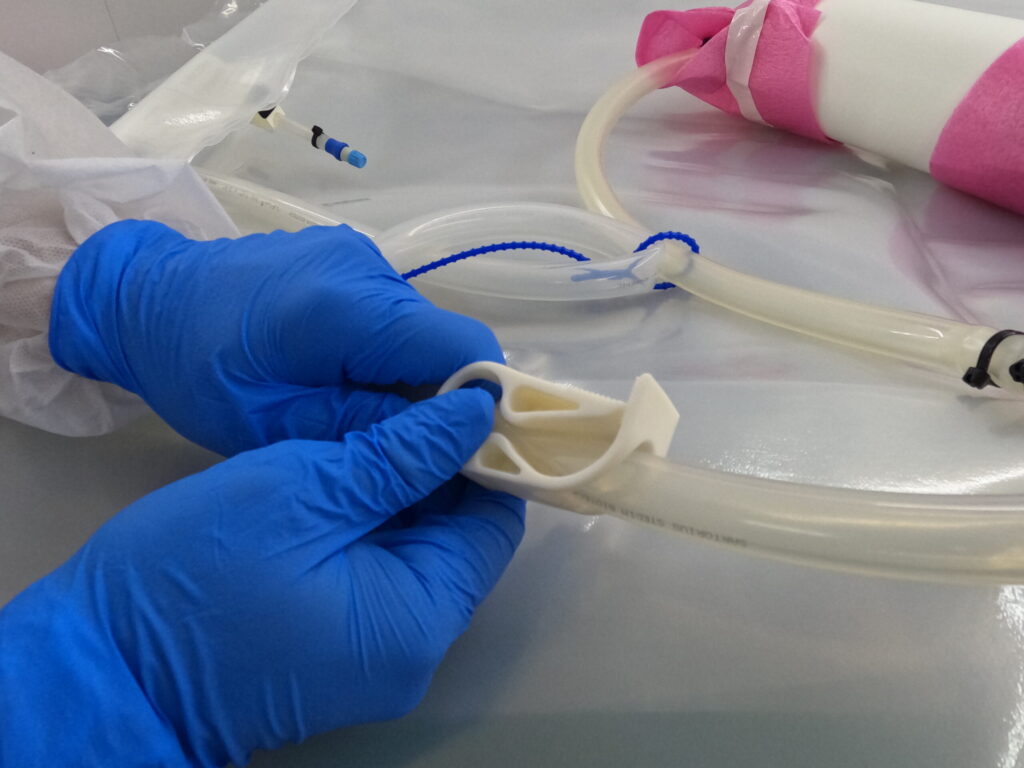
TPE tubing or tubes are flexible, biocompatible accessories that are connected to single-use bags, used during fluid-handling applications within bioprocessing. TPE stands for thermoplastic elastomers, which are materials made from a combination of polymers, usually plastic and rubber.
So, why is TPE utilised to create bioprocess tubing? Well, TPE boasts the physical properties of both thermoplastics and elastomers. Thermoplastics are easy to process and shape with heat, whilst elastomers offer the rubber-like flexibility required to make effective tubing, especially for single-use applications.
Here are the key advantages of TPE tubing that make it a popular choice in bioprocessing:
Biocompatibility – TPE tubing is very compatible with biomaterials, meaning it won’t react with or contaminate biopharmaceutical products, helping to keep them safe for consumption.
Sterility – This tubing type is simple to sterilise and keep safe and hygienic, preventing the growth of microbes like bacteria or mould.
Flexibility and lightweightness – TPE tubes are highly flexible and weigh little, making them easy to handle and transport around biomanufacturing facilities.
Durability – As TPE materials can withstand frequent flexing and are resistant to chemicals and heat, they’re much more stable than traditional materials, ensuring they last through the most rigorous applications.
Recyclability – Great for businesses looking to boost their sustainability efforts, TPE tubing can be re-melted and re-formed, lowering your company’s carbon footprint and supporting sustainability initiatives.
How is tubing used during bioprocessing?
Bioprocess tubing is involved in various fluid handling processes alongside single-use assemblies across numerous industries, particularly the biopharmaceutical sector:
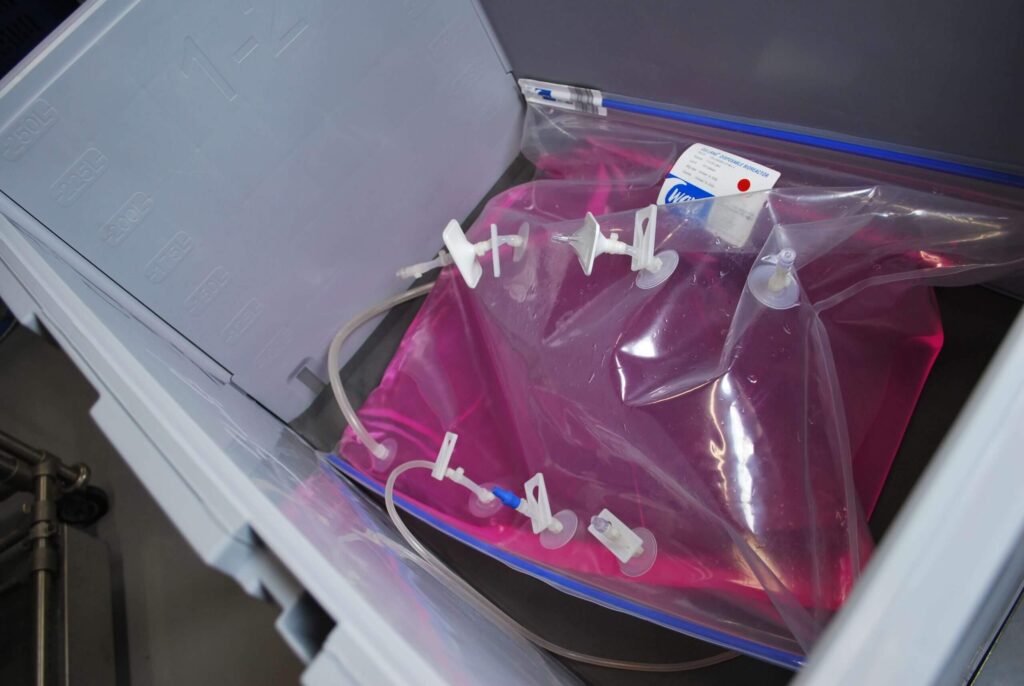
Media and buffer transfer – TPE tubing moves bioprocessing fluids from 3D bioprocess bags into apparatus such as bioreactors.
Carrying liquid feed – During cell culture, bioprocess tubing can be connected to bioreactors to distribute liquid feed.
Sampling or filtration applications – Lab workers or researchers use tubing to funnel liquid samples or filtrates into single-use bags.
Purification processes – TPE tubes transfer pharmaceutical products through columns during chromatography or other purification processes.
Final filling – Bioprocess tubes channel the final purified product into storage containers such as bags or vials, ready for distribution.
How to know which tubing type is right for your bioprocessing needs
As well as TPE tubes, there are other types of bioprocess tubing available, such as silicone, so how do you know which is most suitable for your requirements?
Adaptability – TPE types offer more flexibility than silicone tubing, making them ideal for complicated systems.
Cost – TPE tubes are more cost-effective than silicone and perfect if operating on a budget.
Single-use systems – TPE tubing is commonly used in single-use systems due to its flexibility, cost efficiency, and ease of integration.
Thermal resistance – If you require the highest level of temperature resistance, silicone is better at withstanding a vast range of temperatures.
Longevity – Silicone tubing has a longer life expectancy than other tubes as it’s more durable, making it better for more intense applications.
Overall, TPE is ideal for single-use applications requiring more flexibility, whereas silicone types are more appropriate for bioprocesses needing greater thermal resistance.
Bioprocess tubing and bioprocess containment
Bioprocess tubing plays a central role in biocontainment in laboratories, which is the handling of hazardous biomaterials to prevent exposure.
As TPE bioprocess tubing is easily sterilised, hygienic and affordable to replace, the chances of cross-contamination throughout your operations are greatly reduced, which is why TPE tubing is widely used in bioprocess containment strategies.
Why choose ALLpaQ for bioprocess containers?
At ALLpaQ, supplying flexible tubing solutions is just a small fragment of our offering – streamline your bioprocesses further and reduce the potential for contamination with our state-of-the-art bioprocess containers.
Our specialist outer-packaging units for bioprocess fluid transportation and storage lead the way in terms of innovation and versatility.
Here are just a few reasons why you should consider a bioprocess container from us:
Every container offers an impressive strength-to-weight ratio that makes them efficient to handle and cheaper to ship, saving you money.
Reusability and recyclability
Our bioprocess containers can be used again and again for many years and are recyclable at the end of their lifespan.
Compatibility
Our bioprocess containers are compatible with most 3D bioprocessing bags and tubing systems.
Storage and logistical features
To enhance your warehouse storage operations, our systems are stackable, collapsible, and foldable to help you save space. What’s more, they feature a pallet base for forklifting and bag tubing.
Hygienic design
Each container unit has smooth-sided walls to make sterilisation easy, reducing the chances of cross-contamination between uses.
In-house design and manufacturing
Our expert welders craft durable, long-lasting bioprocess containers you can trust to protect your processing liquids. Plus, you can rest easy in the knowledge that we’re ISO 9001 certified, proving our commitment to top-quality container systems!
Talk to our specialist team
Looking to move away from traditional heavy stainless steel containers? Maybe you desire a more flexible container system that can be folded away when needed?
If you like the sound of our lightweight plastic bioprocess containers and wish to enquire, you’re more than welcome to get in touch with us today, and we’ll advise you further.