Bioprocess container Company News
Using bioprocess containers for cell analysis
Cell analysis has aided research and drug development within the life science and pharmaceutical sectors for many years. Throughout our […]
Apr 08th, 2026

Cell isolation is a fascinating step within bioprocessing and is essential for research and development across many industries, especially the pharmaceutical sector.
Advances in bioscience have made cell isolation a focal point for the development of new medicines or treatments, so all the necessary steps must be taken to ensure it is completed safely and efficiently.
Part of this includes storing your bioprocessing fluids for cell isolation securely in bioprocess containers, which we’ll explore more throughout this article.
So, to find out more about cell isolation and the benefits bioprocess containers offer, keep reading!
Cell isolation, also known as cell separation, is a crucial step within the upstream stage of bioprocessing that isolates specific cell populations from a mixture of cells or tissue.
Isolating cells is especially important in life sciences and medical research, as it allows the study of a particular cell’s function without other cell types or environmental conditions affecting results, providing more accurate findings.
It’s vital for:
There are numerous different cell isolation techniques available, which target one or more cell properties, enabling the separation of the desired cell.
The isolation method you choose must align with the characteristics of your desired cell. With this in mind, here are the most common cell separation techniques utilised in bioprocessing.
PBMC cell isolation focuses on separating peripheral blood mononuclear cells (PBMCs) from other blood components, such as red blood cells (RBCs).
The most common PBMC separation method is density gradient centrifugation. This technique involves adding blood to a buffer solution of a specific density and spinning at high speed to isolate the lower-density PBMCs from the higher-density RBCs.
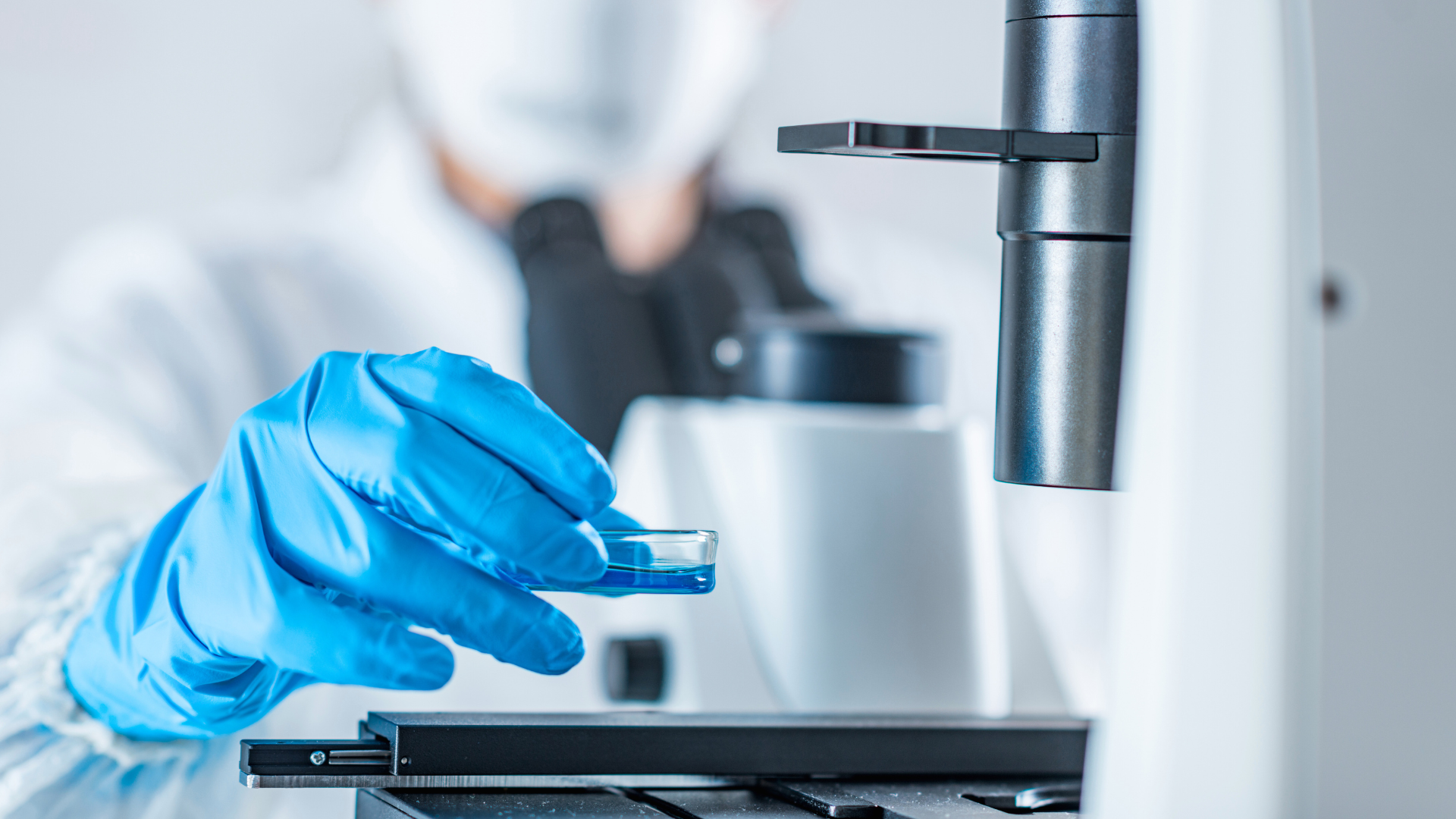
MACS cell isolation, short for magnetic-activated cell sorting, uses a magnetic field and a cell suspension to separate cell mixtures using their surface antigens.
Magnetic beads are covered with antibodies designed to bind to the antigens of the target cell, which are added to the cell suspension, along with the cell population. The mixture is then incubated.
After incubation, a magnetic field is passed through, where the cells will bind to the beads, isolating them from the rest.
RNA cell isolation or extraction is the process of isolating ribonucleic acid (RNA) from cells, which can be used to create mRNA-based therapies and study gene expression.
RNA can be extracted using several processes, including magnetic particles, lysis techniques, or centrifugation methods.
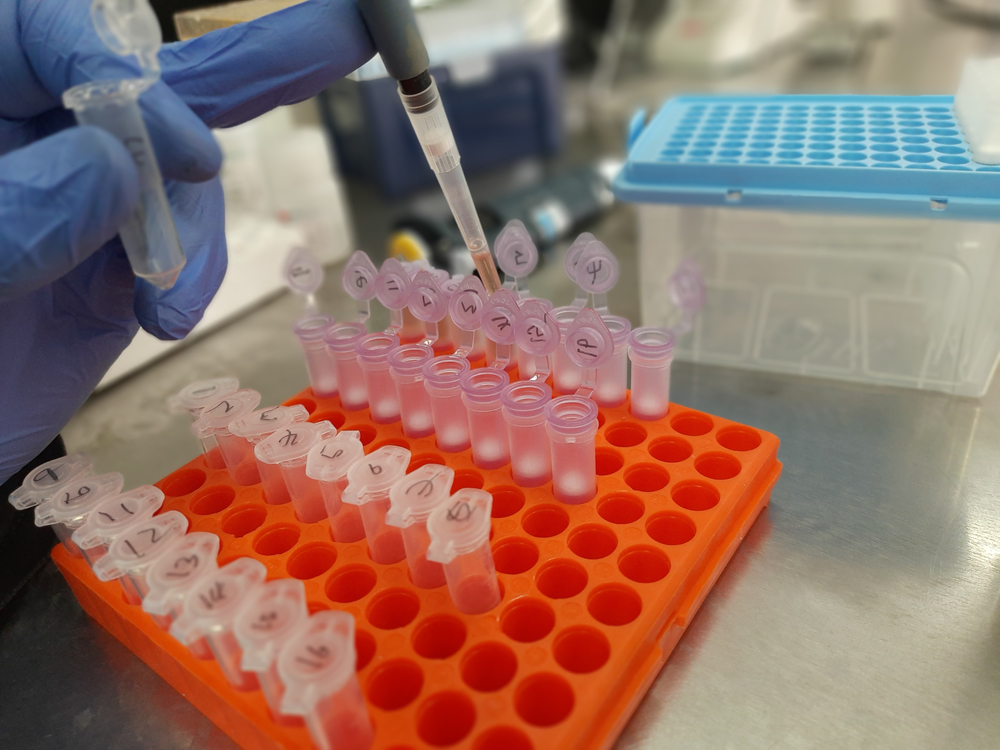
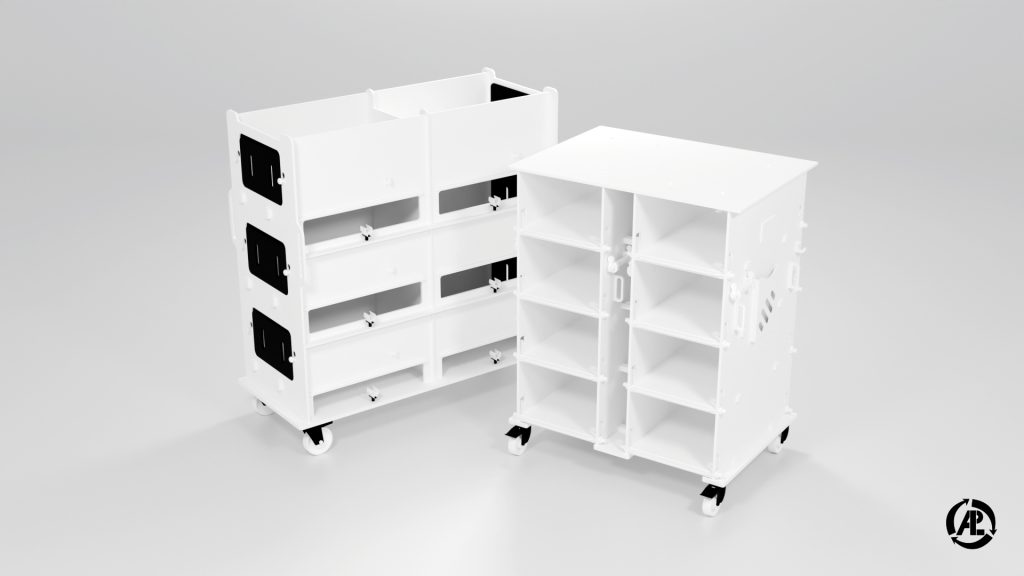
Whatever your cell isolation method or intentions, one thing is for sure – you need a durable and hygienic container system to keep process fluids safe and uncompromised.
A secure and reusable bioprocess container can be used to house single-use bags containing fluids such as:
If quality craftsmanship from an ISO 9001-certified company is what you’re looking for, one of our bioprocess containers is the perfect choice.
All the outer packaging units we offer are designed in-house by our technical specialists and fabricated by our plastic welding team.
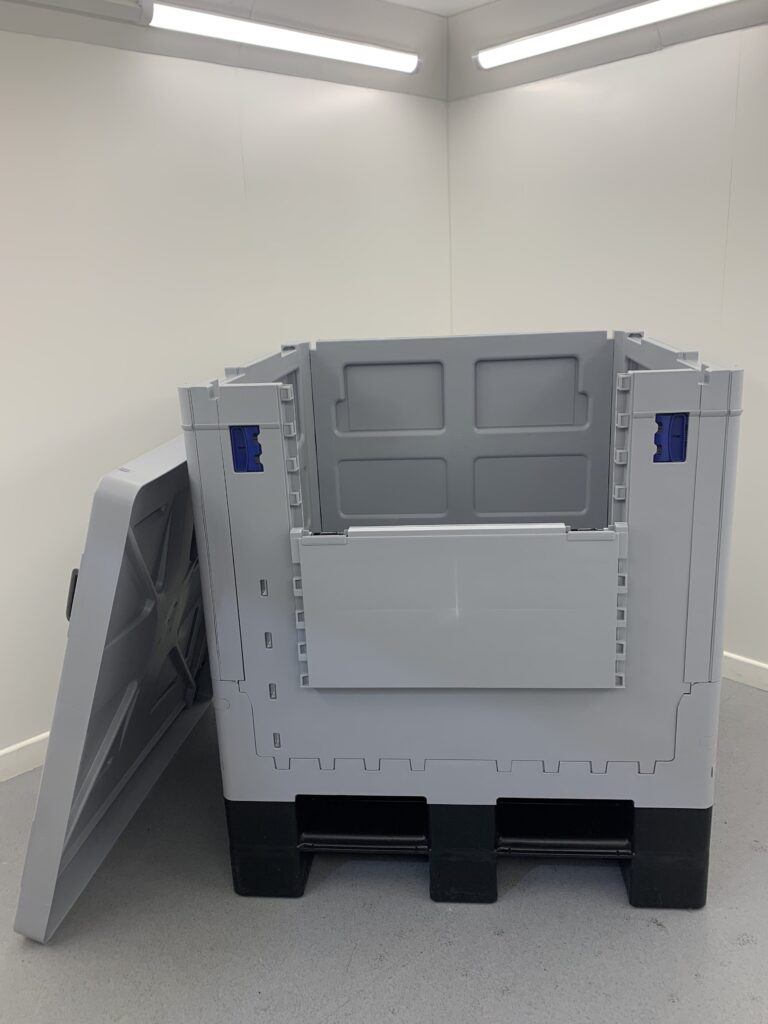
Thinking about upgrading your bioprocessing setup? Maybe your current packaging units are too costly to ship? If so, you’ve come to the right place.
From our manufacturing hub in the UK, we’ve provided all kinds of businesses across the globe, especially within the pharmaceutical industry, with high-quality, reusable bioprocess containers designed for regulated environments. And, as with ALLpaQ custom solutions, you’ll always receive a container system that meets your exact specifications!
If you’d like to know more, you can call our helpful team on 01472 800 373 or contact us online and we’ll get back to you as soon as we can.