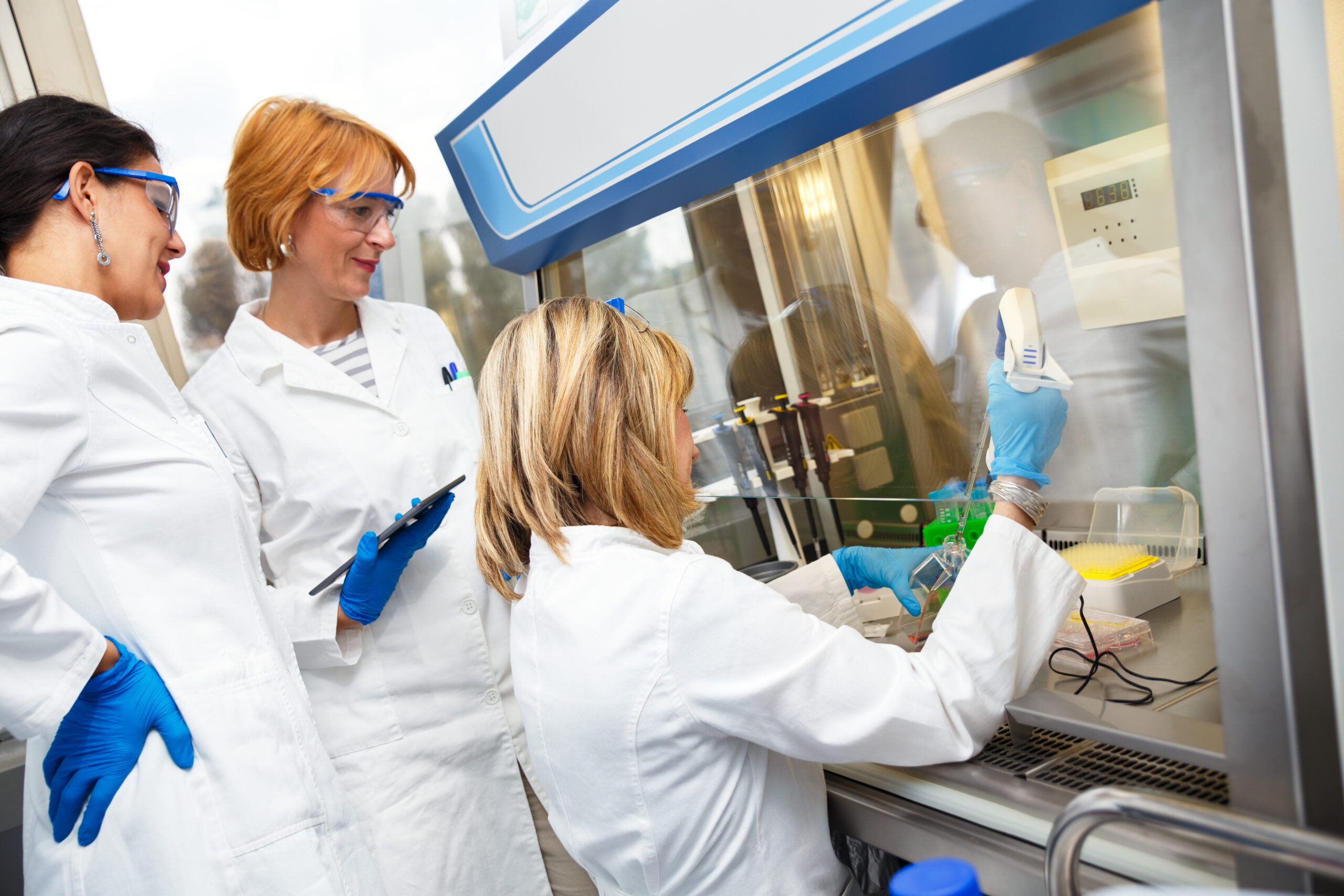
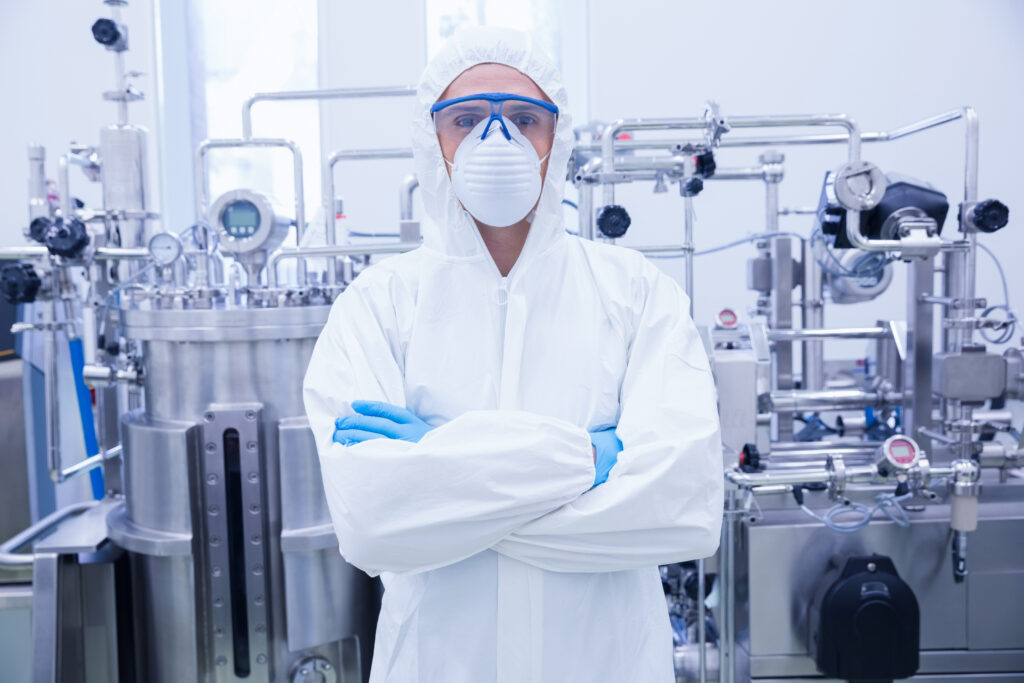
Bioprocessing uses living cells and organisms to manufacture useful products, like medicines, renewable energy, and foods.
Find out everything you need to know about bioprocessing, including the different types and how ALLpaQ can help.
What is bioprocessing?
Bioprocessing is the use of living systems – such as yeast, organisms, cells, or enzymes – to produce biological products.
These living systems can then act as tiny factories to generate vaccines, medicines, or foods.
What is bioprocessing used for?
Bioprocessing can be used to create a range of products on a large scale.
It’s commonly used within the biopharmaceutical industry for manufacturing drug products, vaccines, and therapeutic proteins, including insulin and COVID-19 vaccines
Bioprocessing can also be used in food manufacturing to give extra taste and texture to products, as yeast, bacteria, or mould can break down carbohydrates in food. Yeast is also used to ferment beers, wines, cheese, and yoghurts.
Within the agricultural sector, bioprocessing is used to create biopesticides, bioremediation, and biofertilisers.
The two stages of bioprocessing: upstream vs downstream
What is upstream bioprocessing?
Upstream bioprocessing is an initial stage of bioprocessing where living cells or microorganisms are created, usually grown and controlled, to produce a desired final product.
Its key steps include media preparation, inoculation, cultivation, and harvesting.
What is downstream bioprocessing?
After the upstream bioprocessing phase is completed and the desired product has been produced, downstream bioprocessing will take place.
This process includes the separation (or harvesting) of cells, cell disruption, purification, concentration, and formulation to ensure a fully recovered, clean, and finished product.
This step can be demanding, and repeatedly requires the transfer of fluids safely.
What is single-use bioprocessing?
Single-use bioprocessing uses single-use equipment which is disposable and sterilised, as opposed to stainless steel tools typically used as standard within the biopharmaceuticals industry.
Single-use systems provide several benefits, including less cleaning required between steps, providing a faster turnaround, minimal water waste, and lower risks of contamination.
Key components of single-use bioprocessing can include bioreactors, tubing and connectors, mixing systems, filters and sensors.
Additionally, secondary containers can help support, organise, and protect your single-use primary fluid products. They can include bioprocess containers and collapsible plastic totes, alongside trays, support tanks, and drums.
Where ALLpaQ fit in
Here at ALLpaQ, we provide both single-use and secondary containment systems designed for fluid management.
Our equipment is designed to safely and securely store and ship fluid media, water for injection (WFI), and harvested products – keeping them free from spills and contaminants.
What’s more, our products are customisable to your workflow’s requirements, so you can be assured that they’ll fit your needs, which isn’t always possible with off-the-shelf specifications.
Ready to improve your workflow with bespoke solutions? Contact our team today to see how we can help with your bioprocessing needs.
Phill is an innovative thinker particularly in fluid management. His expertise lies in ensuring the seamless flow of pharmaceutical liquid logistics, whether it's optimising current processes or pioneering new approaches.
Bioprocessing relies on reliable biocontainers. Sensitive biological materials and process fluids must be stored, transferred, and handled to always avoid contamination, exposure, or […]
Jul 14th, 2026
Biocontainers Laboratory and Cleanroom Accessories