Bioprocess container Company News
Using bioprocess containers for cell analysis
Cell analysis has aided research and drug development within the life science and pharmaceutical sectors for many years. Throughout our […]
Apr 08th, 2026
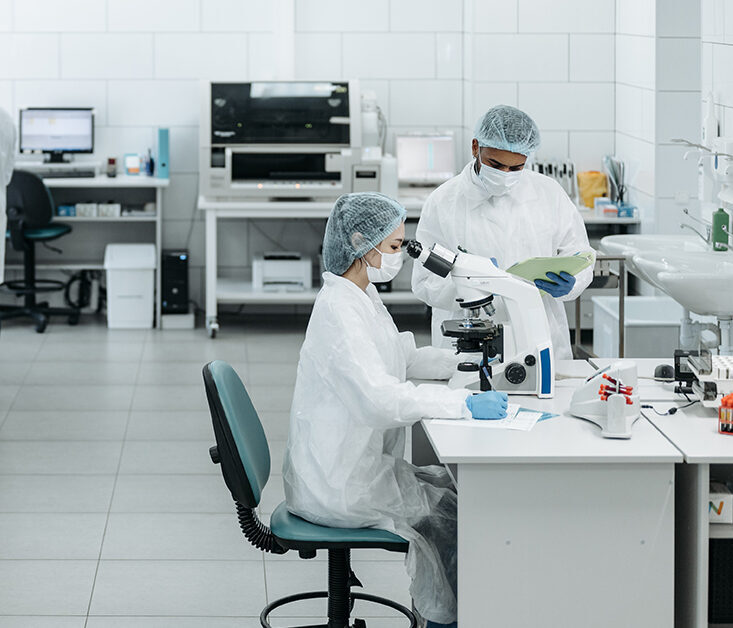
Biocontainment is integral to maintaining safety and reducing contamination risk, but what does biocontainment involve, and how can bioprocess containers support it?
Handling culture media and infectious agents has been an essential part of scientific research for many years, and has led to the development of numerous treatments, supplements and preventative vaccines.
However, keeping people safe from these biological materials and ensuring precise results are paramount to the research processes in microbiological and biomedical laboratories.
Biocontainment refers to the physical containment and controlled handling of hazardous biological materials to reduce the risk of exposure, accidental release, and contamination. It is a method of isolation centred around the physical containment.
Biocontainment is part of the wider risk management in life science and biopharmaceutical research laboratories and must be taken extremely seriously. Otherwise, the consequences could be severe on product integrity and public health.
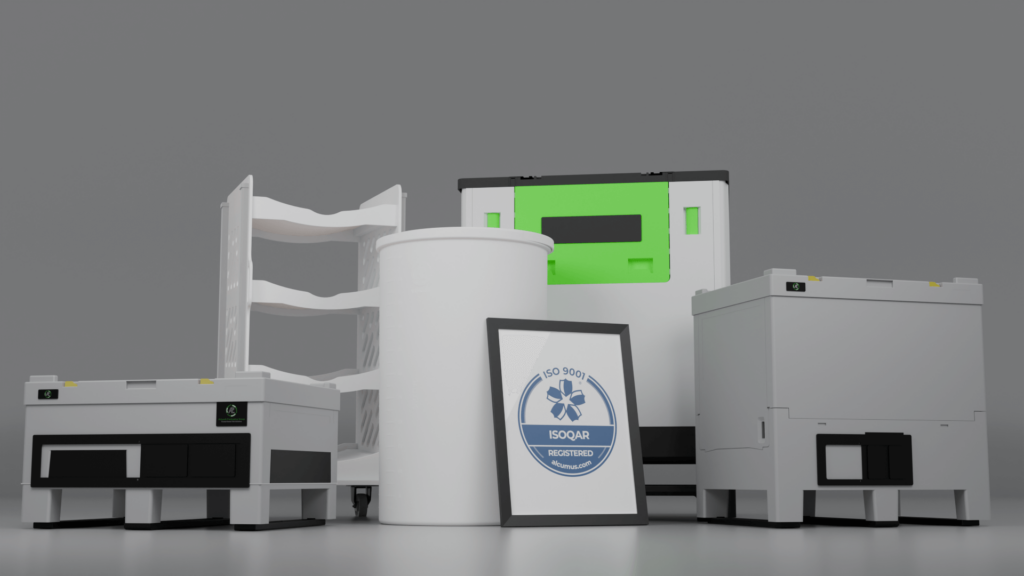
Biocontainment supports several critical functions within laboratory and bioprocessing environments.
Biocontainment measures help prevent the accidental release of hazardous pathogens and biological materials that could endanger both humans and animals.
Researchers often handle infectious agents and biological materials to support disease research and the development of treatments, supplements, and preventative vaccines. Without appropriate containment controls, these materials could enter the wider environment and contribute to serious public health risks, including outbreaks, epidemics, or pandemics.
Biocontainment equipment helps maintain sterile conditions by securely containing cell culture media and other process fluids. This reduces the likelihood of accidental contamination that may compromise research accuracy or product quality.
In biopharmaceutical manufacturing, controlling cross-contamination is essential for workflows requiring sterile fluid handling and consistent sample integrity.
Biocontainers help protect biological materials and fluid media during storage and transportation.
Protecting these resources from impact damage and contamination can support safer handling practices, reduce material wastage, and minimise avoidable replacement costs.
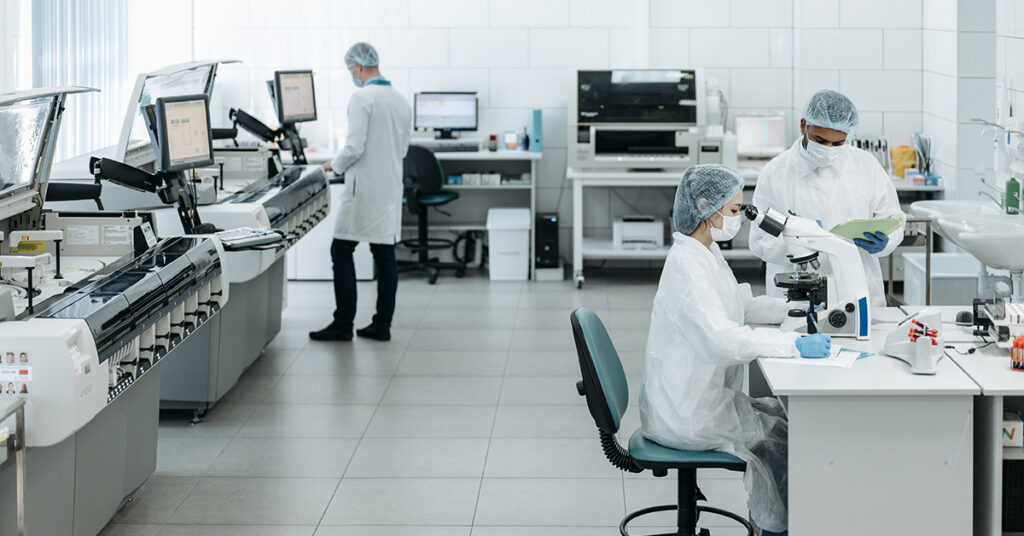
Biopharmaceutical laboratories use a combination of containment strategies to reduce exposure risks and maintain controlled operating environments.
These strategies may include:
Together, these measures support safer handling of hazardous biological materials and help laboratories maintain compliance with biosafety protocols.
Some of the most fundamental containment equipment in laboratories include biocontainers, which ensure worker protection when managing liquids and prevent contamination.
Bioprocess containers are flexible systems for essential sterile fluid-handling applications in sterile research facilities, from small to full-scale research and production.
These holders house single-use bags at various points in bioprocessing, from manufacturing and cleanroom to storage and shipping.
They may be used in scientific research facilities for holding the following:
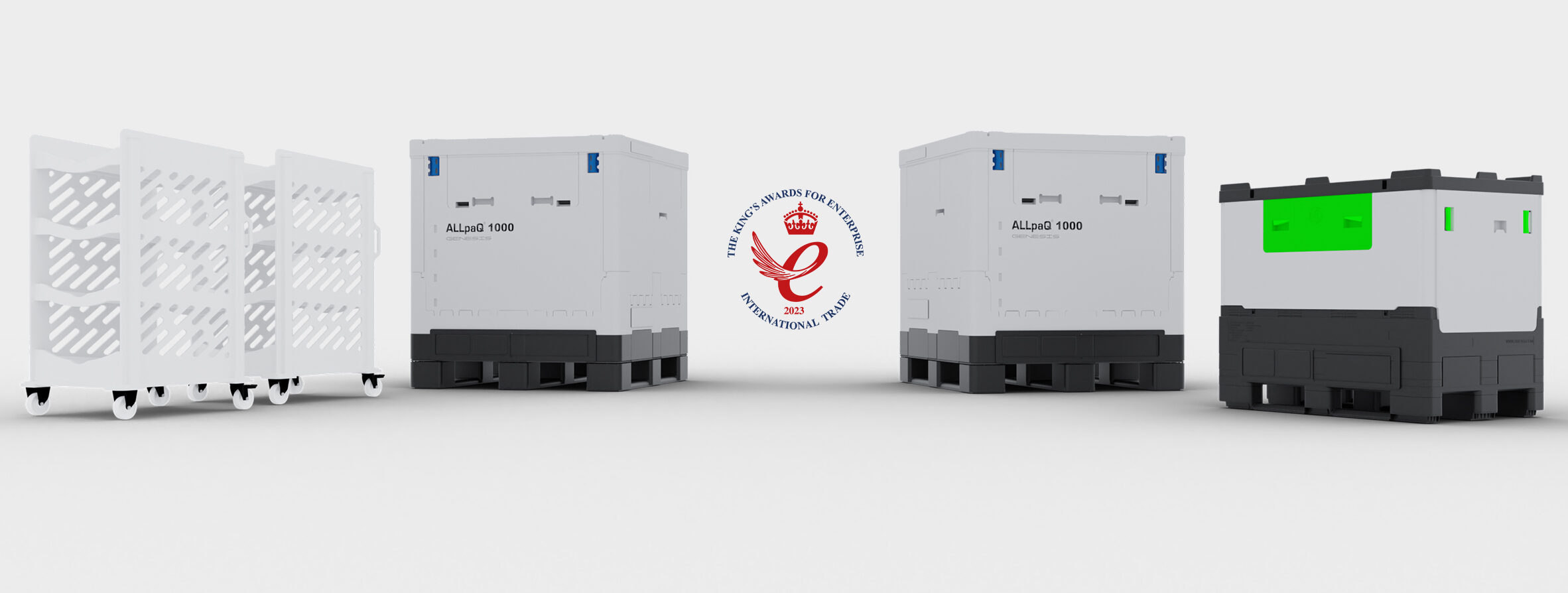
These enclosed containers promote effective fluid management, inhibit bacterial growth and are easy to clean, whilst being completely reusable. Plus, thanks to their palleted bases, they can be efficiently stacked in warehouses, saving you precious floor space.
With this cost-effective solution, you can save money and unnecessary waste, which is key under sustainability and environmental practices.
Plus, if you desire a unique containment system for your specific and non-standard single-use bag requirements, custom biocontainers are available.
Get in touch to speak with our team
Looking to enhance the biorisk management in your facility? Or maybe you’re eager to invest in reusable bioprocess containers to make the laboratory more sustainable?
Call on 01472 800 373 or email us at enquiries@allpaq.com to speak with our experienced professionals directly and find the ideal solution for you.